


Grey Bruce Public Health’s Board of Health got an update about this year’s efforts to mitigate vector-borne diseases.
Public Health Manager Andrew Barton says that the organization is continuing to monitor instances of rabies in the region.
The number of rabies animal exposure investigations has increased in recent years.
“Public Health activities managed the risk following exposure – so typically, a bite, and assists the public in accessing the correct care when it is required,” says Barton.
Rabies can be fatal if not treated immediately, but luckily it happens very rarely.
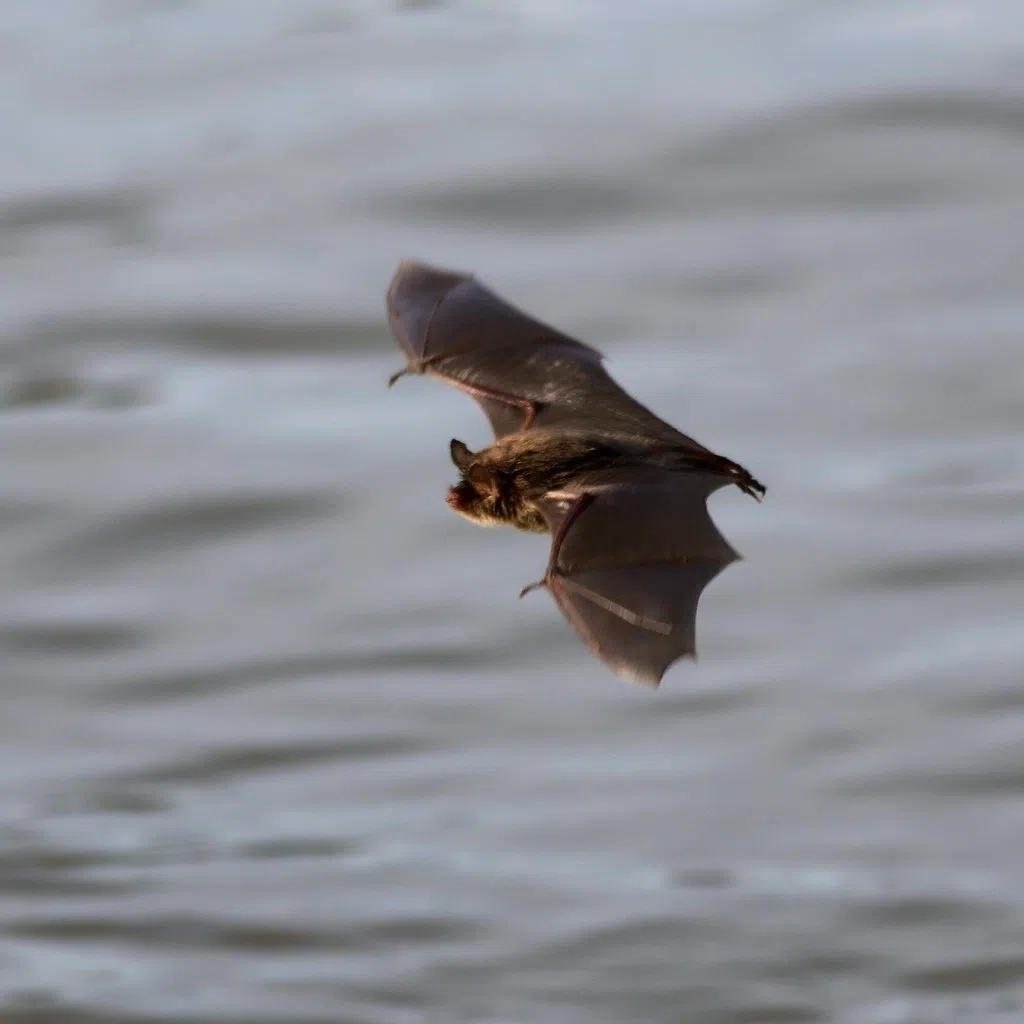
Barton does say that in terms of wild animals that may spread the disease, bats are currently the leading affected animal.
“In Grey Bruce, they are the main animal of concern. That wasn’t the case twenty years ago, when we had rabies in terrestrial animals. It was not uncommon to find rabies in skunks, raccoons, and foxes.”
The report to the Board of Health says that vector-borne disease surveillance is ongoing, and is used to assess the risk to the public.
Case numbers also help clinicians to guide treatment in affected people and help promote risk-reducing behaviour.
Meanwhile, Barton also shared that due to cool weather during last year, tick numbers have been largely unchanged, but that doesn’t stop Public Health from staying vigilant.
“We do active monitoring for ticks as well,” he explains . “[Tick-dragging] is basically looking for black-legged ticks, that are the vector of Lyme disease.”