



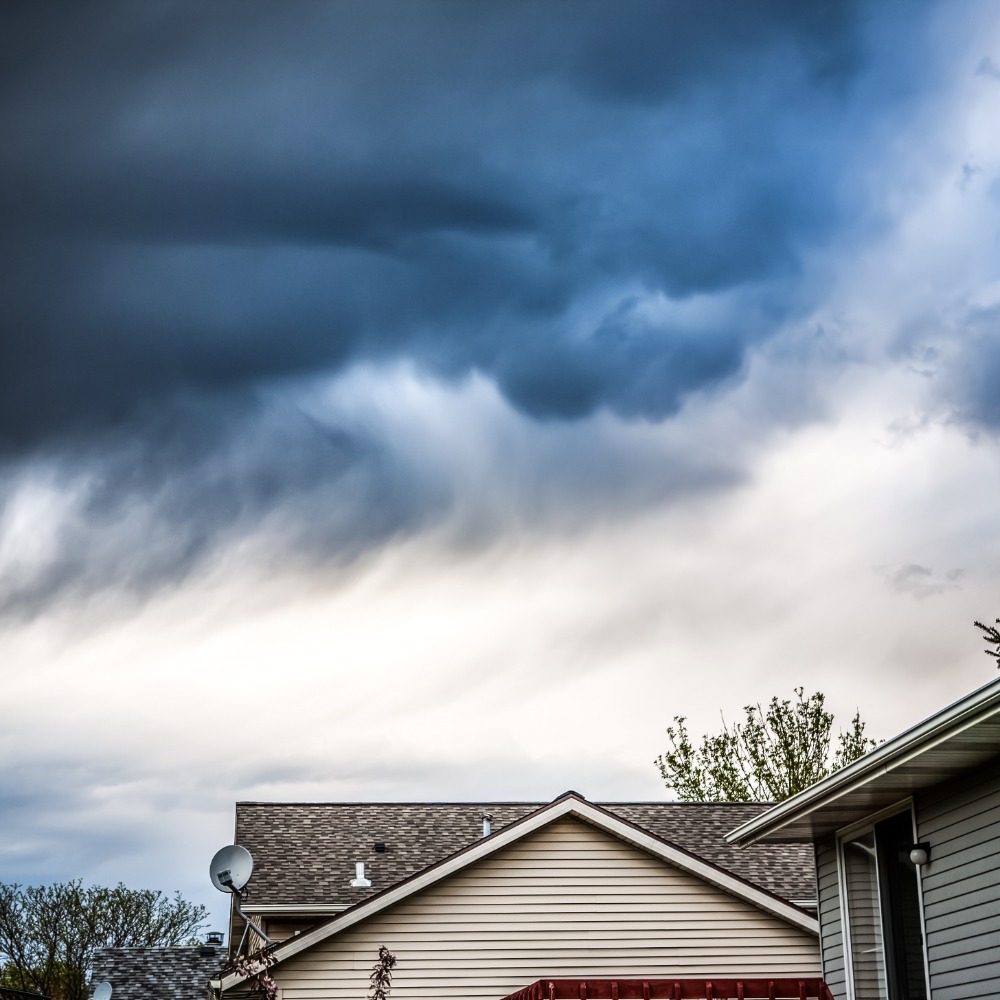
Severe weather can pass through quickly, but the effects on a home may linger long after the skies clear. Heavy rain, strong winds, hail, snow, and falling debris can damage exterior materials and create vulnerabilities that are not immediately obvious. Even when a property looks relatively normal from the street, closer inspection may reveal loose components, moisture intrusion, or other problems that could worsen over time.
Knowing what homeowners should inspect after severe weather can make it easier to identify damage before it turns into an expensive repair. A thorough inspection does not necessarily mean climbing onto the roof or attempting potentially dangerous work. Homeowners can begin with a careful visual assessment from safe areas and bring in qualified professionals when something requires closer attention.
Start With a Walk Around the Property
Once conditions are safe, walk around the entire property and look for anything that seems different from before the storm. Strong winds can move outdoor furniture, break branches, damage fencing, and loosen materials from a home’s exterior.
Pay particular attention to debris near the house. Pieces of roofing material, siding, flashing, or gutters on the ground may indicate damage above. Fallen tree limbs should also receive attention, especially if they landed against the house or struck exterior surfaces.
Avoid approaching fallen power lines, unstable trees, standing water near electrical equipment, or visibly compromised structures. These situations require professional assistance rather than a closer homeowner inspection.
Examine the Roof From a Safe Location
The roof is one of the home’s primary defenses against severe weather, making it an important area to inspect afterward. Wind can lift or remove shingles, while hail can damage roofing surfaces. Falling branches may cause punctures or structural damage.
Homeowners can often identify obvious problems from the ground using binoculars or by looking from an upstairs window. Look for missing shingles, sections that appear lifted or uneven, damaged flashing, and debris resting on the roof.
The age and previous condition of the roof also matter when assessing storm damage. A relatively new roof may only require localized repairs, while an older system that has experienced repeated problems may warrant a broader evaluation.
Understanding the signs that it may be time to replace a roof can provide useful context when determining whether new storm damage is an isolated issue or part of a larger pattern of deterioration.
Check Gutters and Downspouts
Gutters and downspouts play an important role in moving stormwater away from the house. High winds, hail, and heavy debris can bend gutters, loosen connections, or create blockages that prevent water from draining properly.
Inspect gutters from the ground for visible sagging, separation, dents, or sections that have pulled away from the fascia. Check downspouts for obvious damage and make sure their discharge points have not shifted toward the foundation.
Leaves, twigs, roofing granules, and other debris can also accumulate during severe weather. Blocked drainage systems may cause water to overflow near walls, foundations, or landscaping during the next rainfall. Addressing these problems early helps restore proper drainage before another storm arrives.
Look Closely at Siding and Exterior Walls
Siding can take significant punishment during storms, particularly when high winds carry branches and other debris. Depending on the material, damage might include cracks, dents, chips, loose panels, or missing sections.
Walk around the house and inspect exterior walls from multiple angles. Changes in lighting can make dents and other subtle damage easier to see. Pay particular attention to corners, seams, and areas around windows and doors.
Small openings should not be dismissed simply because they appear cosmetic. Cracked or displaced siding may allow moisture to reach materials underneath, potentially creating conditions for rot or other deterioration.
Inspect Windows and Exterior Doors
Windows and doors are vulnerable to both wind pressure and flying debris. Broken glass is usually obvious, but other forms of storm damage can be easier to overlook.
Check window frames, screens, seals, and trim for cracks or displacement. Look for moisture between panes of insulated glass, which can indicate that a seal has failed. Inside the home, examine the areas around windows for dampness, discoloration, or peeling paint.
Exterior doors should open and close normally. A door that suddenly sticks or does not align correctly after a major storm could indicate damage to the frame or surrounding structure. Weatherstripping and seals should also remain intact to prevent future water intrusion.
Check the Attic for Signs of Moisture
Some of the most important evidence of roof damage appears inside rather than outside. An attic inspection can reveal water intrusion that might not yet have reached finished ceilings or walls.
Use a flashlight to look for wet insulation, damp wood, dark stains, dripping water, or unusual moisture. Pay attention to areas around roof penetrations such as vents, chimneys, and exhaust pipes, since these locations can be vulnerable when flashing becomes damaged.
A musty odor may also signal moisture even when there is no obvious dripping water. Finding a problem early gives homeowners an opportunity to address the source before moisture spreads into additional building materials.
Examine Ceilings and Interior Walls
After inspecting the attic, check rooms throughout the house for signs of water intrusion. New stains on ceilings, bubbling paint, peeling finishes, or damp drywall can indicate that rain entered through the roof or exterior walls.
Storm-related leaks are not always immediate. Water can travel along framing, insulation, or other materials before becoming visible in a living area. For this reason, homeowners should continue watching ceilings and walls for several days after severe weather, particularly if additional rain occurs.
Documenting newly discovered stains can help determine whether they are changing. Taking photographs provides a useful point of comparison if the affected area grows or develops additional symptoms.
Continue Monitoring the Home
Not every storm-related problem becomes apparent immediately. A small opening in the roof or exterior may only reveal itself during the next rainfall. Drainage problems may become clearer once saturated ground begins to settle.
For that reason, knowing which parts of the home to inspect following severe weather should be treated as an ongoing process rather than a single walkthrough. Recheck vulnerable areas over the following days and watch for new odors, stains, moisture, unusual noises, or changes in how doors and windows operate.
Severe weather can affect nearly every part of a property, but early attention can limit how far those problems progress. A careful inspection of the roof, exterior walls, drainage systems, interior spaces, landscaping, and mechanical equipment gives homeowners a clearer understanding of their property’s condition. When something appears unsafe or requires specialized knowledge, bringing in a qualified professional is the safest way to determine the appropriate next step.
Image Credit: soupstock, #169772688

Comments