



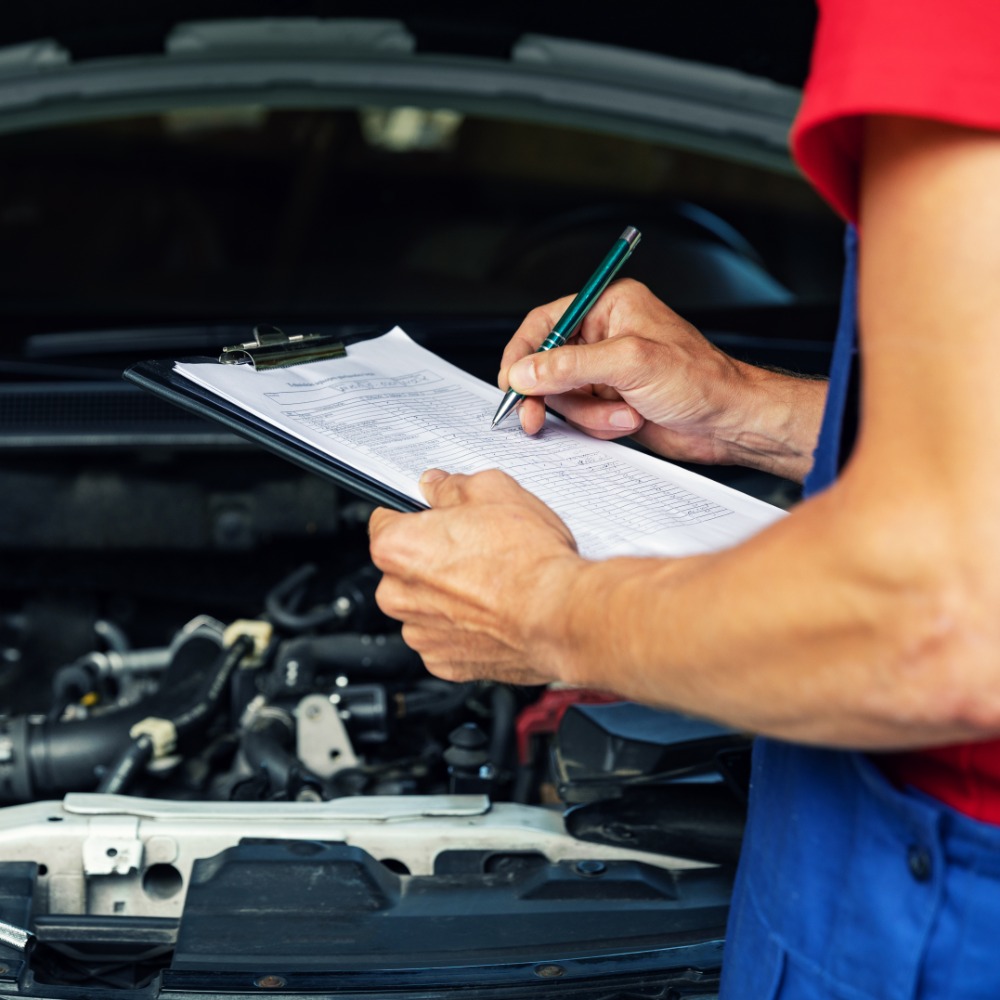
Buying your first car comes with plenty of excitement, but it also introduces responsibilities that many new owners underestimate. Regular maintenance keeps your vehicle running safely and helps you avoid expensive repairs down the road. Unfortunately, many drivers develop bad habits without realizing how much damage they can cause. Some overlook routine inspections, while others misunderstand what their vehicles actually need. Knowing where new car owners usually go wrong with maintenance can help you protect your investment and enjoy a more reliable driving experience. A little extra attention today can prevent frustrating mechanical problems tomorrow.
Ignoring the Owner’s Manual
Many new car owners overlook one of their most valuable resources: the owner’s manual. This document explains your vehicle’s specific maintenance requirements, including recommended service intervals and fluid specifications.
Rather than relying on general automotive advice, check what your manufacturer recommends. Different engines require different maintenance schedules, and following the wrong advice could create unnecessary expenses.
Your manual also explains dashboard warning indicators and important operating procedures. Spending a little time reviewing this information helps you make smarter decisions about vehicle care.
Waiting Too Long Between Oil Changes
Oil changes rank among the most important maintenance tasks for any vehicle. Engine oil lubricates moving components and helps control operating temperatures. Over time, heat and contaminants reduce its effectiveness.
Some new owners assume they can continue driving indefinitely as long as their vehicles seem fine. Unfortunately, old oil can contribute to premature engine wear and eventually cause serious mechanical problems.
Follow your manufacturer’s recommended oil change intervals, accounting for your driving conditions. Frequent short trips or extreme temperatures may require additional attention, depending on your vehicle.
Always use the correct oil specification rather than choosing products based solely on price.
Neglecting Tire Pressure
Tires affect nearly every aspect of your driving experience, yet many owners rarely check their pressure. Underinflated tires increase rolling resistance and can wear unevenly. Overinflation can also affect handling and tire wear.
Check tire pressure at least monthly and before longer trips. Use the pressure specifications on your driver’s door jamb rather than the maximum pressure printed on the tire.
Remember that outdoor temperatures influence tire pressure. Cold weather commonly causes readings to drop, so seasonal changes deserve additional attention.
Proper inflation supports better handling and helps your tires last longer.
Forgetting About Tire Rotations
Even drivers who regularly check tire pressure sometimes forget about rotations. Your tires experience different amounts of wear depending on their positions and your vehicle’s drivetrain.
Rotating them according to manufacturer recommendations encourages more even tread wear and helps maximize their useful lifespan.
Skipping rotations can force you to replace certain tires earlier than necessary. Uneven wear may also indicate alignment or suspension problems that deserve professional attention.
Ask your mechanic to inspect tread depth and overall tire condition during routine service appointments.
Overlooking Essential Vehicle Fluids
Engine oil isn’t the only fluid your car needs. Several systems depend on proper fluid levels and condition to function correctly.
New owners should understand the purpose of these essential fluids:
- Coolant: Helps regulate engine temperature and prevent overheating.
- Brake fluid: Transfers pressure through the braking system and requires periodic replacement.
- Transmission fluid: Lubricates transmission components and supports smooth operation.
- Windshield washer fluid: Maintains visibility by helping remove dirt from your windshield.
- Power steering fluid: Supports hydraulic steering systems in vehicles that use them.
Check accessible fluid reservoirs according to your manual. Never open a hot cooling system, and consult a mechanic when you notice unexplained fluid loss.
Ignoring Dashboard Warning Lights
Dashboard warning lights exist for a reason, but inexperienced drivers sometimes dismiss them when their cars still operate normally.
A check engine light might indicate something relatively minor, but it can also signal a problem that requires immediate attention. Other warnings, particularly those involving oil pressure or engine temperature, demand prompt action.
Learn what your dashboard indicators mean before problems arise. If a warning appears, consult your manual and arrange appropriate service.
Never assume that a warning will disappear on its own. Delaying necessary repairs often increases costs and creates additional mechanical complications.
Skipping Regular Brake Inspections
Your braking system is extremely important for vehicle safety. Unfortunately, many new owners wait until they hear grinding noises before scheduling an inspection.
Brake pads gradually wear down through normal use. Ignoring worn pads can damage rotors and increase repair expenses.
Pay attention to unusual squealing, vibration during braking, or changes in pedal response. These symptoms may indicate that your braking system needs attention.
Schedule inspections according to your manufacturer’s recommendations and your driving conditions. Addressing small issues early helps maintain dependable stopping performance.
Washing the Car Only When It Looks Dirty
Vehicle cleaning involves more than maintaining an attractive appearance. Road salt and other contaminants can damage exterior surfaces when they remain on your car.
Some owners wash their vehicles only when visible dirt becomes distracting. However, regular cleaning helps protect paint and reduces exposure to substances that contribute to corrosion.
Pay particular attention to the undercarriage during winter, especially if local roads receive salt treatments.
Use automotive cleaning products rather than harsh household chemicals. Applying appropriate paint protection can also help preserve your vehicle’s finish.
Forgetting To Replace Air Filters
Air filters might seem insignificant, but they serve important purposes. Your engine air filter prevents dirt and debris from entering the engine, while your cabin air filter helps maintain cleaner airflow inside your vehicle.
A clogged engine filter can restrict airflow and potentially affect performance. A dirty cabin filter may reduce ventilation effectiveness.
Inspect both filters according to your maintenance schedule and replace them when necessary.
Replacement intervals vary depending on driving conditions. Dusty environments may require more frequent inspections than relatively clean urban roads.
Neglecting the Car Battery
A weak battery can leave you stranded without much warning. Many new owners assume their batteries require no attention until their vehicles refuse to start.
Battery performance naturally declines over time, particularly under extreme temperature conditions.
Watch for slow engine cranking and unusual electrical behavior. Have a technician test your battery when you notice these symptoms or when the battery approaches the end of its expected lifespan.
Keeping terminals clean and connections secure also supports reliable electrical performance.
Attempting Repairs Without Proper Knowledge
Learning basic vehicle maintenance can save money, but attempting unfamiliar repairs without sufficient knowledge creates unnecessary risks.
Some tasks, such as replacing windshield wiper blades, suit beginners. Others require specialized tools and technical experience.
Before attempting maintenance yourself, consider the complexity of the work and whether mistakes could compromise safety.
Braking systems and critical engine components deserve particular caution. Professional assistance often costs less than correcting an unsuccessful repair.
Building automotive knowledge gradually helps you become more confident without putting your vehicle at risk.
Failing To Keep Maintenance Records
Many first-time owners forget when they last changed their oil or replaced important components. Without reliable records, tracking maintenance becomes unnecessarily difficult.
Maintain a simple service log that includes appointment dates, mileage, completed work, and upcoming recommendations.
These records also provide useful information when diagnosing recurring problems. If you eventually sell your vehicle, documented maintenance history may reassure potential buyers about its condition.
Putting Off Small Problems
Small mechanical issues rarely become easier to address through neglect. An unfamiliar noise or minor fluid leak might seem harmless initially, but delaying an inspection can allow damage to worsen.
Pay attention to changes in how your vehicle sounds and handles. Investigate unusual symptoms rather than waiting for obvious failures. You don’t need extensive mechanical knowledge to recognize when something feels different.
Ultimately, successful car ownership comes down to consistent attention and responsible maintenance decisions. Follow your manufacturer’s recommendations, address concerns promptly, and develop habits that protect your vehicle. These simple practices can help you avoid preventable expenses and enjoy dependable transportation for years.

Comments