



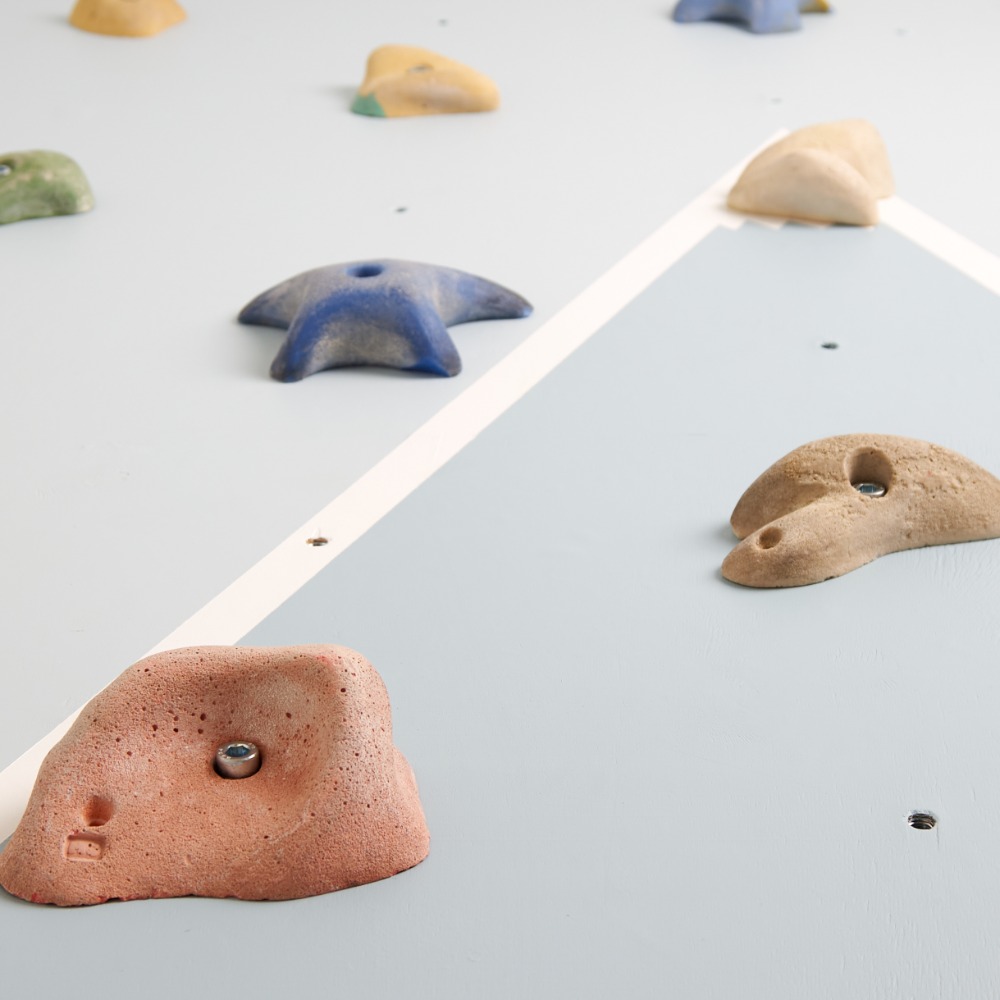
Building a home climbing wall is a great way to improve your climbing skills while enjoying the convenience of training at home. Whether you’re a beginner or an experienced climber, a well-designed wall can provide endless opportunities to practice technique, build strength, and challenge yourself. With the right layout, climbing holds, and safety features, you can create a versatile climbing space that evolves alongside your abilities.
Choose the Right Location for Your Home Climbing Wall
Selecting the right location is the first step in building a home climbing wall. Garages, basements, and spare rooms are popular options, depending on the available space. Consider ceiling height, wall dimensions, ventilation, and the amount of room needed for safe landings. Even smaller spaces can accommodate effective climbing setups, particularly when designed for bouldering or traversing.
Before construction, ensure the supporting structure can safely handle climbing loads. Consulting a qualified professional can help you determine whether your chosen location is suitable and what structural reinforcements may be necessary.
Select Climbing Holds That Provide Variety and Challenge
Choosing a variety of climbing holds makes your wall more engaging and adaptable to different skill levels. Jugs provide comfortable grips for beginners, while crimps, slopers, and pinches introduce challenges that develop finger strength, balance, and technique. Incorporating multiple hold types allows you to create routes that target different climbing abilities.
As your skills improve, you can rearrange holds or adjust their orientation to create more difficult routes. This flexibility helps keep your climbing wall challenging without requiring major modifications.
Plan a Layout That Accommodates Different Skill Levels
A versatile climbing wall should include routes that match your current abilities while offering room for improvement. Beginner-friendly routes can feature larger holds, comfortable reaches, and straightforward movements, while more advanced problems can incorporate smaller footholds, longer reaches, and challenging body positions.
Consider designing routes that emphasize different techniques, such as balance, footwork, and controlled movement. Using colored tape to identify individual routes can also help organize your climbing wall and make it easier to track your progress.
Incorporate Climbing Workouts Into Your Home Routine
A home climbing wall makes it easier to incorporate regular training into your schedule. Beyond practicing routes, you can focus on specific skills such as grip strength, endurance, footwork, and body control. Varying your sessions helps develop well-rounded climbing abilities while keeping your routine interesting.
For climbers looking to improve their performance, incorporating structured climbing workouts can provide additional ways to build strength, refine technique, and improve endurance. Combining targeted exercises with regular climbing practice can help you make the most of your home setup while allowing adequate time for recovery.
Experiment With Different Climbing Wall Angles
The angle of your climbing wall influences the difficulty and types of movements you’ll practice. Vertical walls are ideal for developing balance and precise footwork, while overhanging walls require greater core engagement and upper-body strength. Choosing an angle that matches your experience level helps create a comfortable yet challenging climbing environment.
If space allows, incorporating multiple angles or an engineered adjustable wall can add versatility. This allows you to explore different climbing styles and increase difficulty as your skills progress.
Choose Durable Materials For Long-Term Use
Selecting high-quality materials is essential for building a home climbing wall that withstands regular use. Plywood panels, properly engineered framing, and compatible mounting hardware all contribute to the wall’s durability and stability. Choosing climbing holds designed for repeated use can also help maintain a consistent climbing experience as you experiment with different routes and techniques.
When selecting materials, consider the environment where your wall will be installed. Areas with fluctuating temperatures or moisture levels may require additional precautions to prevent deterioration. Investing in durable materials and following appropriate construction guidelines can reduce maintenance needs and help keep your climbing wall functional for years.
Make Climbing More Enjoyable With Creative Challenges
Adding creative challenges to your home climbing wall can make each session more engaging while encouraging you to develop new skills. Instead of focusing exclusively on completing difficult routes, try introducing activities that emphasize precision, balance, and controlled movement. For example, you can challenge yourself to climb a familiar route using fewer hand movements or complete a traverse without repositioning your feet unnecessarily.
You can also create themed climbing problems that focus on specific techniques, such as using only certain hold types or practicing slow, deliberate movements. These activities add variety to your routine and encourage problem-solving, helping you stay motivated as your climbing abilities improve.
Keep Your Climbing Wall Fresh With Regular Route Changes
Regularly changing your climbing routes is one of the easiest ways to maintain interest and encourage continued improvement. Moving or rotating a few holds can create entirely new challenges, requiring different techniques, reaches, and body positions.
Experiment with routes that emphasize balance, lateral movement, or endurance. Even small adjustments can make familiar climbs feel new, helping your home wall remain engaging without needing additional equipment.
Maintain Your Wall and Prioritize Climbing Safety
Regular maintenance is essential for keeping your home climbing wall in good condition. Inspect holds, bolts, panels, and supporting structures for signs of wear or damage, and address any issues before climbing. Follow manufacturer instructions and ensure all components remain properly secured.
Appropriate climbing crash pads and a clear landing area are also important for reducing injury risks. Always warm up before climbing, avoid movements beyond your current abilities, and provide proper supervision when children use the wall.
Set Climbing Goals To Track Your Progress
Setting realistic climbing goals can help you stay motivated and make the most of your home climbing wall. Whether you’re working toward completing more difficult routes, improving footwork, or increasing endurance, having specific objectives gives your practice sessions a clear purpose.
Track your progress by recording completed routes, noting challenging movements, and identifying areas for improvement. As your abilities develop, adjust your goals and introduce new climbing problems to keep your training rewarding and engaging.
Create a Home Climbing Wall That Evolves With You
A well-designed home climbing wall offers a convenient and rewarding way to develop your climbing abilities. By choosing versatile holds, creating adaptable routes, and regularly introducing new challenges, you can build a space that supports your progress over time.
Whether you have a small garage setup or a dedicated climbing area, thoughtful planning and consistent maintenance can help you enjoy your home climbing wall for years to come.
Image Credentials: Aleksandr, #431702574
Learn how to build a versatile home climbing wall with the right holds, layout, and safety features to support your climbing skills as they grow.

Comments